
Consumers need time to find new salmon feed palatable
3.6.2024 12:17:00 CEST | Nofima | Press release
Consumers find the thought of using insects and microalgae in salmon feed hard to digest. Most people do not even know that wild salmon eat insects in the rivers.
“The respondents loved eating salmon, but did not know much about the fish”, says Katerina Kousoulaki, a senior scientist at Nofima.
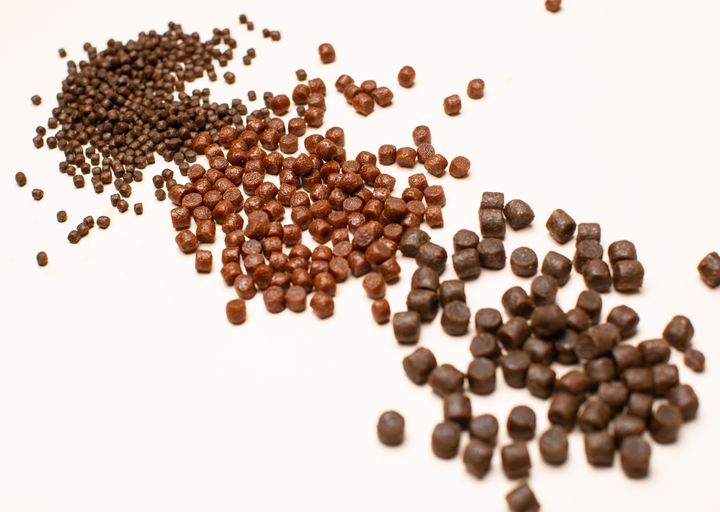
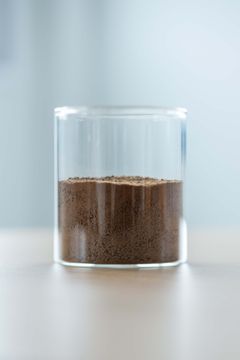
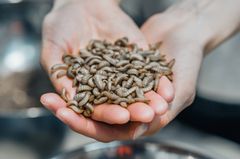
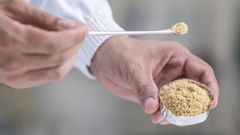
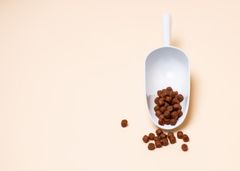
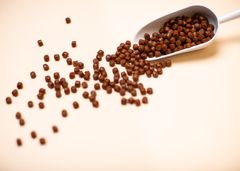
She is currently leading a project aimed at creating sustainable salmon feed from algae and insect meal. In the future, the salmon industry will require a greater diversity in sustainable raw materials which are beneficial to both salmon and the environment than current options, and microalgae and insects are promising raw materials.
This is why she has been listening in on focus groups where French consumers of salmon have discussed their beliefs and thoughts.
“My impression is that we need to educate the consumers”, says Kousoulaki.
Misconceptions abound
It turns out that consumers know very little about Norwegian salmon. What's more, they think they “know” several things that are in fact wrong:
“Everyone was sure that farmed salmon contains lots of antibiotics – which is not correct. They like to eat salmon, but they don’t know much about how it is produced”, she says.
When the existing knowledge is lacking, it makes it even more challenging to talk about feed with new raw materials.
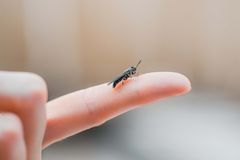
“If you ask people what salmon eat in the wild, many will answer ‘algae’ and ‘shrimp’. However, salmon don’t eat algae, and they don’t eat much shrimp, either. They mainly feed on fish, and upriver they feed on insects”, Katerina Kousoulaki explains.
“Many of the surveyed consumers had a positive attitude towards using algae in fish feed, but did not think that insects were a natural food for the salmon.”
The need for more feed
François Saulais in the multinational retail group Auchan is tasked with selling Norwegian salmon to French consumers.
“Our customers’ knowledge about the products they buy is not as good as we would like. This does not come as a surprise to us; the only surprise is that more people than we thought believe that fish farmers use antibiotics and growth hormones, a misconception we need to address”, says Saulais.
He is the international coordinator for the seafood division, responsible for studying and helping to develop the aquaculture segment and to propose value chains that ensure deliveries of high-quality and more sustainable fish for all the countries in which Auchan operates. In is work, he has seen how important it is to develop new sustainable feeds for both salmon and other species:
“When we look at the needs in aquaculture industry ‘s projected increases in production demands over the next 20–30 years, we see that current feed supply levels are insufficient. That is why Nofima is taking the initiative to find alternatives”, he says.
Sceptical about insects
Market expert Sandra Bretagne is a leading partner in the consulting company Insightquest, which conducted the consumer survey using focus groups on behalf of Nofima and Auchan. She is confident that it is possible for consumers to accept salmon being fed more insects and algae – but it will take time and focused communication efforts.
“We need to start the communication on a very basic level. Consumers have little knowledge about industrial processes”, says Sandra Bretagne, pointing to an example with a completely different product: shampoo.
“Do you know anything about the industrial processes behind the production of shampoo? Very few do. And that’s how it is with the food people eat, too – they tend to have only very superficial knowledge.
|
Algae and insect meal used to make sustainable feed In the Millennial Salmon project, scientists are collaborating with stakeholders from all parts of the value chain, from production of raw material for feed and fish farming to the store. The project is led by Nofima and funded by the Research Council of Norway. Other partners include Sintef Ocean, Mowi, Cargill, Innovafeed, Corbion, Labeyrie Fine Foods and Auchan. The assumption for the project is that the production of black soldier flies and microalgae requires little space and environmental resources compared to current feed production. Millennial Salmon focuses on how heterotrophic microalgae and insect meal can replace fish oil and soy in salmon feed. A life cycle analysis (LCA) will be carried out in the project to determine the positive environmental impact from the new technologies. The consumer survey referred to here was conducted in the fall of 2023 with 24 French consumers between 20 and 45 years of age, from different backgrounds, who all stated that they occasionally buy salmon. |
Keywords
Contacts
Reidun Lilleholt Kraugerud
Tel:48197382reidun.lilleholt@nofima.noKaterina KousoulakiErnæring og fôrteknologi
Tel:55112163katerina.Kousoulaki@Nofima.noImages


Links
About Nofima
The Norwegian food research institute Nofima provides research based knowledge and innovations for actors in all parts of the food systems.

Subscribe to releases from Nofima
Subscribe to all the latest releases from Nofima by registering your e-mail address below. You can unsubscribe at any time.
Latest releases from Nofima
Could fish by-products improve plant-based food?17.9.2026 12:13:36 CEST | Press release
A new PhD thesis from Nofima shows how the potential of side streams from the fish industry can be harnessed in plant-based products. That potential lies in modern processing technology.
Fiskerester kan øke næringsverdien til plantebasert mat10.9.2026 15:17:32 CEST | Pressemelding
En ny doktorgrad viser hvordan potensialet i sidestrømmer fra fiskeindustrien kan utnyttes i planteprodukter. Potensialet ligger i moderne prosesseringsteknologi.
Vi overvurderer egen beredskap21.8.2026 06:00:00 CEST | Pressemelding
Over halvparten av oss tror det er sannsynlig at vi må klare oss med egen mat i én uke. Likevel har bare rundt én av fire et eget beredskapslager hjemme, ifølge nye tall fra Follostudien.
Follo-folk setter sunnhet først2.7.2026 07:00:00 CEST | Pressemelding
De første resultatene fra Follostudien er klare. 825 innbyggere fra de seks Follo-kommunene har fortalt forskerne ved Nofima om matvanene sine. Funnene viser at det bor matglade mennesker i hele regionen, selv om flertallet prioriterer sunnhet over ren nytelse i matveien.
Fatty acid from herring may ease mild psoriasis10.6.2026 10:30:09 CEST | Press release
Laboratory tests on skin cells suggest that the fatty acid omega‑11 can dampen inflammation linked to psoriasis.
In our pressroom you can read all our latest releases, find our press contacts, images, documents and other relevant information about us.
Visit our pressroom