
Major exhibition explores how women artists forged professional careers in early modern Europe
6.8.2026 10:54:39 CEST | The National Museum of Norway | Pressemelding
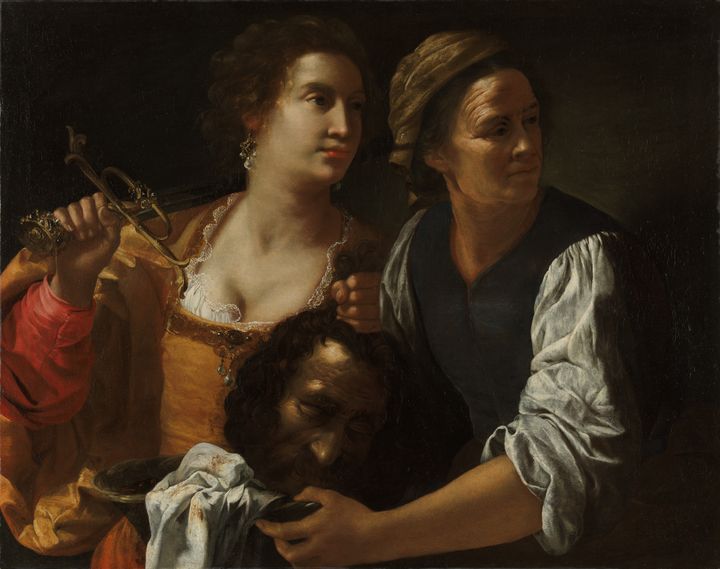
- Brings together women painters from Northern Europe and Italy working between 1550 and 1650, including Artemisia Gentileschi, Lavinia Fontana and Judith Leyster
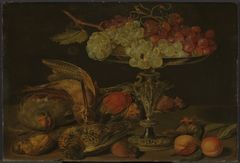
- Unveils a significant new attribution to Clara Peeters from the National Museum’s collection, highlighting the ongoing reassessment of women artists in art history
- Explores how women trained and maintained artistic careers, demonstrating the breadth of subjects, genres and professional roles they pursued
- Organised in collaboration with the Galleria Borghese, Rome
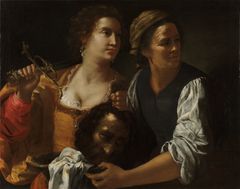
The National Museum of Norway presents W̶o̶m̶a̶n̶ Painter, a major exhibition bringing together 51 paintings and 19 different women artists working across Northern Europe and Italy between 1550 and 1650. Featuring works by artists including Sofonisba Anguissola, Artemisia Gentileschi, Lavinia Fontana, Clara Peeters and Judith Leyster, the exhibition reveals how women established professional artistic careers in a field largely dominated by men, challenging long standing assumptions about their place in art history.
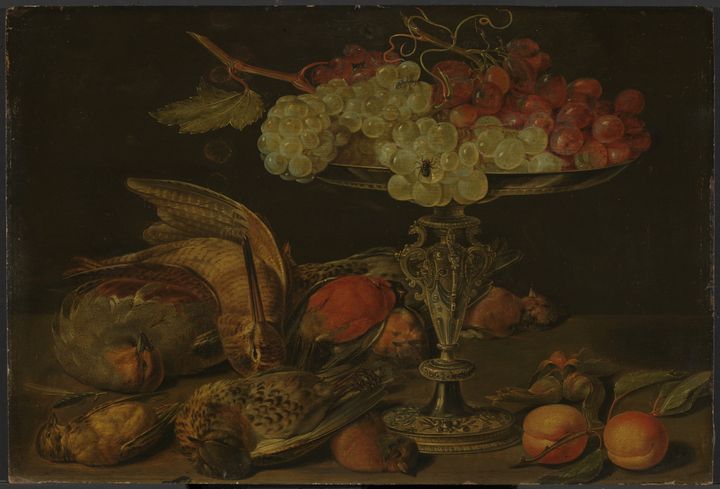
Organised in collaboration with the Galleria Borghese in Rome, the exhibition also presents a significant new attribution within the National Museum’s own collection. Following extensive research by the exhibition curator Cynthia Osiecki, Still life with small game and grapes on a gilded tazza (c. 1620) will be displayed for the first time as a work by Clara Peeters, an influential early 17th-century still life painter. The reattribution forms part of a wider reassessment of women artists whose works have frequently been overlooked, misattributed or excluded from historical narratives.
The exhibition traces the range of educational pathways that were available to women in the early modern period, through which they gained artistic training and were able to develop independent careers. These included training within the family to self-directed learning, convent education, and in exceptional cases, formal academic instruction. Lavinia Fontana and Artemisia Gentileschi, for example, developed their practices under the guidance of their respective fathers, Prospero Fontana and Orazio Gentileschi, whose works will also be exhibited for context; while Plautilla Nelli established herself as a painter within a Dominican convent in Florence, and would go on to be commissioned to produce works for high society.
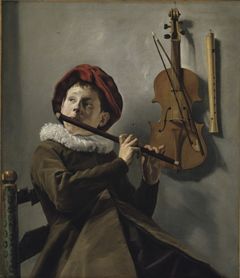
The exhibition also examines how women artists could occupy significant professional and managerial positions within studios, participating in the commercial aspects of artistic production. An example is Judith Leyster, who managed her husband Jan Miense Molenaer’s studio - common for many women in artistic households in the Low Countries - revealing the higher levels of freedom and financial responsibilities for women in this region.
Another key revelation is how women were professionally involved in the arts sections of Royal courts and the wider realm of portraiture. This includes Sofonisba Anguissola, whose career represents one of the earliest examples of a woman holding a permanent position within a major European dynastic household, serving the Spanish crown for over a decade. The exhibition also features three portraits by Venetian artist Chiara Voratari – another painter who learnt from her father - whose successful practice attracted aristocratic patrons across northern Italy.
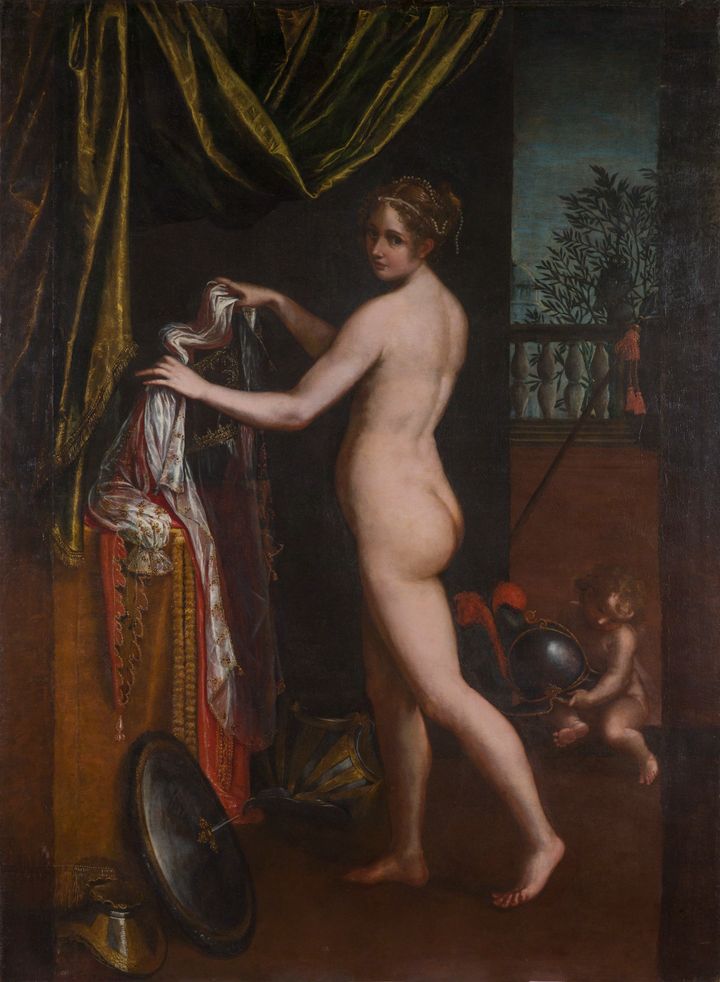
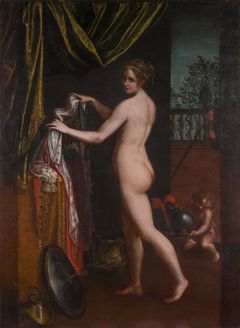
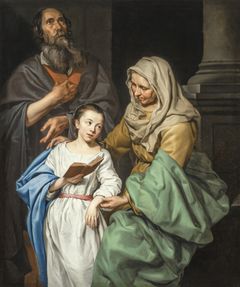
A recurring focus of W̶o̶m̶a̶n̶ Painter is to challenge one of the persistent myths surrounding women artists: that they worked primarily in still life. Instead, the exhibition demonstrates the remarkable breadth of subjects they pursued, encompassing portraiture, devotional imagery, mythology and historic subjects. Among the highlights is Lavinia Fontana’s monumental, two-metre-high painting Minerva Dressing (1613): a rarely loaned masterpiece from the Galleria Borghese and one of the first known female nudes painted by a woman, depicting the Roman goddess caught in a moment of undress. Also featured is Brussels-born Michaelina Wautier’s The Education of the Virgin Mary (1656), a dazzlingly lit, tender domestic scene that reflects her remarkable skill in the male-dominated history painting genre.
By bringing together artists from across Europe, the exhibition also questions the conventional distinction between the experiences of women artists in northern Europe and Italy. Instead, it reveals shared ambitions, strategies and challenges that transcend geographical boundaries.
Co curated by Ellen Lerberg (Senior curator of education), W̶o̶m̶a̶n̶ Painter offers a new framework for understanding artistic production in early modern Europe. In foregrounding questions of artistic training, agency and professional identity, the exhibition also raises critical points that remain relevant to discourse today, around visibility, recognition and access to education.
W̶o̶m̶a̶n̶ Painter is comprised of works from both the National Museum and Galleria Borghese’s collections, in addition to loans from major international institutions including the Rijksmuseum, Amsterdam; the Uffizi, Florence; and the Nationalmuseum, Stockholm.
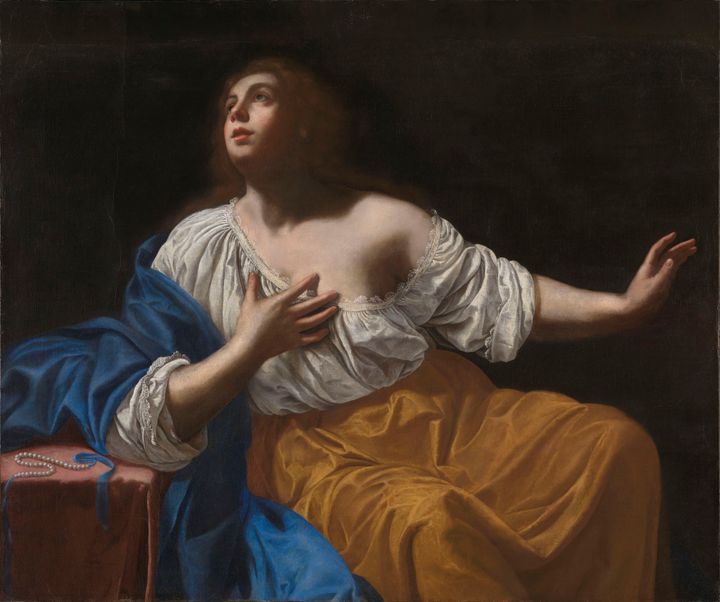
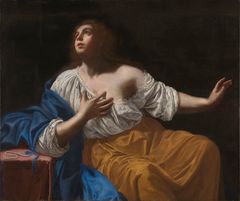
A fully illustrated publication will accompany the exhibition, alongside a new documentary exploring the restoration of The Penitent Magdalene (c.1640), an unsigned painting in the National Museum’s collection attributed to Artemisia Gentileschi, which will be on display. Led by National Museum conservator Thierry Ford, the project revealed original details concealed for centuries, uncovering significant new evidence supporting the painting's attribution to Gentileschi.
Following its presentation in Oslo, the exhibition will travel to Galleria Borghese from 15 March – 30 May 2027.
Notes to editors
Exhibition: W̶o̶m̶a̶n̶ Painter
Dates: 8 October 2026 – 7 February 2027
Address: The National Museum of Art, Architecture and Design, Brynjulf Bulls plass 3 0250 Oslo
Opening times: Tuesday to Wednesday, 10am-8pm; Thursday to Saturday, 10am-5pm; Monday, 10am-5pm (June-August only; closed Mondays from September)
Nøkkelord
Kontakter
Rannveig Falkenberg-ArellThe National Museum of Art, Architecture and Design
Tel:+47 41479544rannveigfa@nasjonalmuseet.noBilder
Lenker
About the National Museum
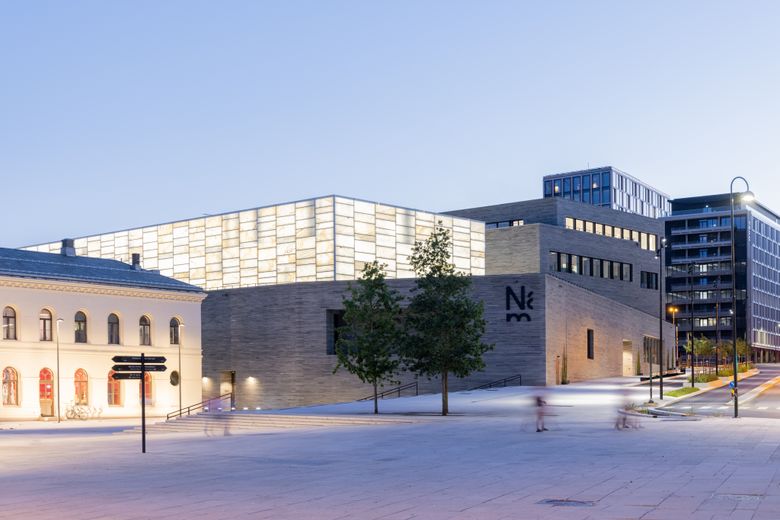
The National Museum of Art, Architecture and Design in Oslo, Norway, is the largest art museum in Northern Europe, housing an extensive collection of over 400,000 objects. These include paintings, sculptures, drawings, textiles, furniture, and architectural works, spanning from antiquity to the present day.
The museum's new, state-of-the-art building, which opened in 2022, showcases a comprehensive presentation of approximately 6,500 works, providing a rich narrative of Norwegian art and culture within a global context. It offers visitors a diverse, cross-disciplinary and research-driven programme of temporary exhibitions and events, regularly featuring works by internationally renowned artists.
Følg pressemeldinger fra The National Museum of Norway
Registrer deg med din e-postadresse under for å få de nyeste sakene fra The National Museum of Norway på e-post fortløpende. Du kan melde deg av når som helst.
Siste pressemeldinger fra The National Museum of Norway
Can art help us understand death?29.7.2026 15:26:15 CEST | Pressemelding
With "Don't be afraid. An exhibition about death," the National Museum of Norway wants to make it easier to talk about the inevitable.
The National Museum of Norway presents Wenche Selmer’s ideas on the simple cabin8.5.2026 10:38:35 CEST | Pressemelding
Norwegian architect Wenche Selmer cultivated an ideal of a rich life lived with simple means. In this new exhibition her work is examined through drawings, notes, photography and a full size cabin.
Kastler Skjeseth Architects to Create Norway’s Contribution to the Venice Architecture Biennale18.3.2026 14:11:54 CET | Pressemelding
The National Museum has commissioned the Oslo-based firm Kastler Skjeseth Architects to create Norway’s exhibition for the Nordic Pavilion at the 20th International Architecture Exhibition in Venice next year. Architects Amandine Kastler and Erlend Skjeseth, partners in the practice, have now begun developing the project.
World Premiere at the Norwegian National Museum17.3.2026 18:22:17 CET | Pressemelding
Fear is the central theme of Estonian artist Maria Metsalu’s latest performance, Permanent Resident, which will be shown in Oslo, in April.
The National Museum of Norway presents major new exhibition on contemporary craft8.7.2025 12:00:00 CEST | Pressemelding
ART·HAND·WORK brings together around 100 works by more than 90 artists to explore the shifting boundaries between craft, design and fine art in the 21st century
I vårt presserom finner du alle våre siste pressemeldinger, kontaktpersoner, bilder, dokumenter og annen relevant informasjon om oss.
Besøk vårt presserom